The global cosmetic industry continues to evolve at a rapid pace, driven by innovation, digital influence, and changing consumer expectations. With thousands of foundation products competing across retail shelves and online marketplaces, standing out is no longer optional—it is essential.
While product formulation remains important, packaging design has become equally influential in determining a product’s success. Foundation packaging is not just a protective layer; it is a communication tool, a usability feature, and a branding asset all in one.
At The Grand Packaging, the focus is on creating packaging solutions that combine functionality, visual appeal, and sustainability—helping cosmetic brands position themselves effectively in a competitive market.
This article explores in depth why foundation packaging design matters and how it directly impacts consumer behavior, brand perception, and long-term growth.
What Is Foundation Packaging Design?
Foundation packaging design refers to the complete process of conceptualizing, developing, and producing containers used for foundation products. It includes structural design, material selection, dispensing mechanisms, and visual branding elements.
Common types of foundation packaging include:
- Liquid foundation bottles with pumps, droppers, or squeeze tubes
- Compact cases for pressed or cream foundations
- Airless pump systems for advanced skincare-infused formulas
- Cushion compacts widely popular in modern beauty trends
However, packaging goes far beyond simply holding the product. It plays a critical role in:
- Preserving the formula’s integrity
- Enhancing ease of use
- Communicating brand identity
- Supporting sustainability goals
A well-designed package ensures that the product performs as intended while also delivering a seamless user experience.
Why Packaging Design Is Critical in the Cosmetic Industry
First Impressions and Consumer Buying Behavior
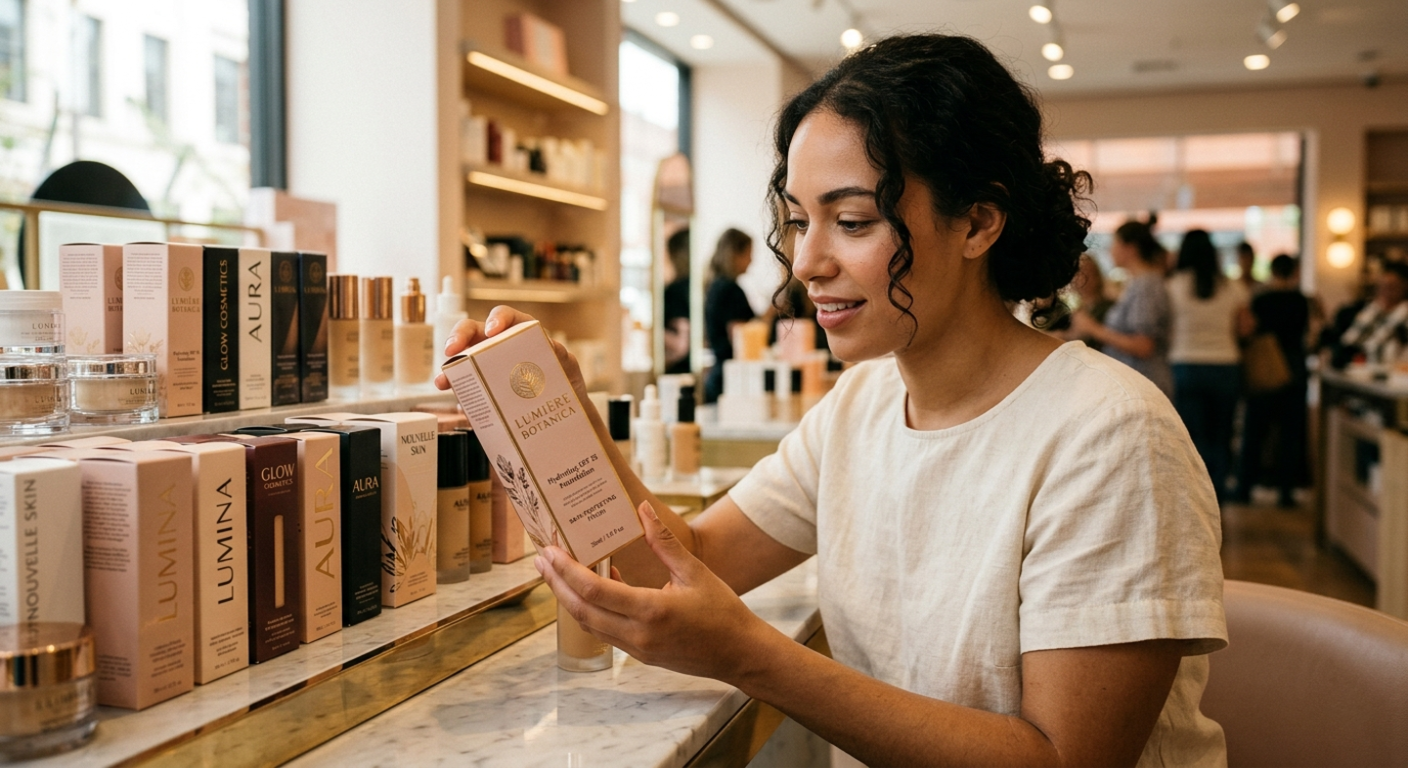
Consumers often make purchasing decisions within seconds. Packaging design acts as the first point of interaction, whether in a physical store or through digital product listings.
Visual elements such as color schemes, finishes, and shapes influence perception immediately. For example:
- Matte finishes may suggest luxury and sophistication
- Bright, bold colors often appeal to younger demographics
- Minimalist designs are commonly associated with clean beauty
High-quality packaging can elevate perceived value, encouraging customers to try a product even before evaluating its formulation.
Brand Identity and Recognition
In a saturated market, strong branding is essential for differentiation. Packaging design serves as a visual representation of a brand’s identity and values.
Consistent design elements—such as typography, logo placement, and color palettes—help create a recognizable brand image. Over time, customers begin to associate these visual cues with quality and reliability.
At The Grand Packaging, packaging strategies are developed to align with brand positioning, whether it is luxury, eco-conscious, or mass-market appeal. This consistency strengthens brand recall and builds trust.
Product Protection and Longevity
Foundation products are sensitive to environmental exposure. Air, light, and bacteria can degrade the formula, affecting both performance and safety.
Effective packaging solutions address these challenges by:
- Using air-tight and airless systems to prevent oxidation
- Incorporating UV-protective materials
- Ensuring durability during shipping and storage
By maintaining product integrity, packaging directly contributes to customer satisfaction and reduces product returns or complaints.
Functional Aspects of Foundation Packaging
Ease of Use and Application Experience
User experience is a key factor in customer retention. Packaging that is difficult to use can negatively impact even the highest-quality formulations.
Functional design features include:
- Controlled dispensing systems to minimize waste
- Ergonomic shapes for comfortable handling
- Travel-friendly sizes for convenience
For example, pump bottles provide precise application, while compact cases allow quick touch-ups on the go. These details significantly enhance the overall user experience.
Hygiene and Safety Considerations
Hygiene is a major priority in cosmetic packaging. Direct exposure to air and repeated contact can introduce bacteria into the product.
Modern packaging solutions focus on:
- Sealed and tamper-proof designs
- Airless containers that reduce contamination
- Use of non-reactive, skin-safe materials
Such features not only protect consumers but also reinforce brand credibility and compliance with safety standards.
Sustainability in Cosmetic Packaging Design
Eco-Friendly Materials and Trends
Sustainability is no longer a niche concern—it is a central factor in purchasing decisions. Cosmetic brands are increasingly adopting environmentally responsible packaging solutions.
Common approaches include:
- Recyclable materials such as glass and certain plastics
- Biodegradable packaging alternatives
- Refillable containers that reduce waste
At The Grand Packaging, sustainable innovation is integrated into packaging development to help brands meet environmental goals without compromising quality or design.
Consumer Demand for Sustainable Beauty
Today’s consumers are more informed and conscious of environmental impact. Packaging choices can influence brand perception significantly.
Brands that demonstrate commitment to sustainability often experience:
- Increased customer loyalty
- Positive brand reputation
- Stronger emotional connection with consumers
Sustainable packaging is not just an ethical choice—it is a strategic advantage.
How Packaging Influences Customer Experience
Unboxing Experience and Emotional Engagement
The rise of social media has transformed packaging into a shareable experience. Unboxing videos and product showcases highlight the importance of visually appealing and thoughtfully designed packaging.
Premium packaging elements such as:
- Magnetic closures
- Soft-touch finishes
- Elegant typography
create a sense of luxury and excitement. This emotional engagement can turn customers into brand advocates.
User-Centric Design
User-centric packaging focuses on convenience, accessibility, and inclusivity. It ensures that products are easy to use for a wide range of consumers.
Important considerations include:
- Clear labeling for shade identification
- Easy-open mechanisms
- Designs suitable for different age groups and abilities
By prioritizing user needs, brands can enhance satisfaction and build long-term relationships.
The Role of Innovation in Foundation Packaging
Smart Packaging Technologies
Technological advancements are reshaping the cosmetic packaging landscape. Innovative solutions improve both functionality and engagement.
Examples include:
- Airless pump systems for precise dispensing
- Vacuum-based packaging to extend shelf life
- QR codes linking to tutorials or product information
These features add value beyond the physical product, creating a more interactive experience.
Customization and Personalization Trends
Personalization is becoming a key differentiator in the beauty industry. Customized packaging allows brands to connect with consumers on a deeper level.
Trends include:
- Shade-specific packaging designs
- Limited-edition collections
- Personalized branding elements
At The Grand Packaging, customization options help brands create unique packaging that stands out in a competitive market.
Common Mistakes Brands Make in Packaging Design
Despite its importance, packaging design is often overlooked or mismanaged. Common mistakes include:
- Prioritizing aesthetics over functionality
- Using materials that compromise product safety
- Ignoring sustainability expectations
- Creating designs that lack uniqueness
Avoiding these pitfalls requires a strategic approach that balances design, usability, and environmental responsibility.
Expert Insights: What Makes Effective Foundation Packaging?
Industry experts agree that effective packaging design must achieve a balance between form and function.
Key principles include:
- Aligning packaging with brand identity
- Ensuring ease of use and convenience
- Selecting materials that protect the product
- Conducting user testing before launch
At The Grand Packaging, these principles guide every stage of the design process, ensuring that packaging solutions meet both market demands and consumer expectations.
Future Trends in Cosmetic Packaging Design
The future of foundation packaging is driven by innovation, sustainability, and evolving consumer preferences.
Emerging trends include:
- Minimalist designs aligned with clean beauty movements
- Refillable and reusable packaging systems
- Increased use of eco-friendly materials
- Integration of digital and smart technologies
Brands that adapt to these trends will be better positioned to succeed in the evolving cosmetic landscape.
Conclusion
Custom Foundation Packaging design is a critical element in the success of any cosmetic product. It influences first impressions, enhances usability, protects the formula, and shapes overall customer experience.
In today’s competitive market, investing in high-quality packaging is not optional—it is essential. Brands that prioritize thoughtful, functional, and sustainable design can build stronger connections with consumers and achieve long-term growth.
With expertise and innovation at its core, The Grand Packaging continues to support cosmetic brands in creating packaging solutions that deliver both performance and visual impact.
FAQs
Why is foundation packaging important?
Foundation packaging is important because it protects the product, ensures hygienic use, and enhances customer experience. It also influences purchasing decisions by shaping first impressions and brand perception.
What materials are best for cosmetic packaging?
Glass offers durability and a premium feel, plastic provides lightweight convenience, and sustainable materials such as recycled or biodegradable options support eco-friendly initiatives.
How does packaging affect customer buying decisions?
Packaging influences buying decisions through visual appeal, usability, and perceived quality. Attractive and functional designs are more likely to attract attention and build trust.
What are the latest trends in foundation packaging?
Current trends include sustainable materials, refillable systems, minimalist designs, and smart packaging technologies that improve both functionality and user engagement.