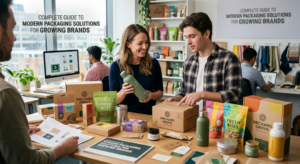
Product packaging is much more than just a protective layer for your items—it serves as a silent ambassador for your brand. The choice of material for your product boxes can influence how customers perceive your business, determine the safety of your products during shipping, and even affect purchasing decisions.
At The Grand Packaging, we see firsthand how the right packaging materials can elevate a product from ordinary to extraordinary. Selecting the perfect material ensures that your products arrive in pristine condition, creates a memorable unboxing experience, and aligns with your brand identity.
In this guide, we’ll explore the most common packaging materials, examine factors to consider when choosing the right one, share expert tips, and highlight practical examples that illustrate how material choice impacts both functionality and brand perception.
Understanding Different Types of Product Box Materials
The foundation of effective packaging lies in choosing the right material. Each type of material comes with unique qualities that affect durability, cost, aesthetics, and sustainability. Here’s a detailed look at your options:
1. Cardboard
Cardboard is one of the most widely used packaging materials. Its lightweight and versatile nature makes it a reliable option for a variety of products. Cardboard boxes are easy to customize with printing, embossing, or finishing techniques, allowing brands to communicate their identity effectively.
Ideal for: Retail products, clothing, cosmetics, small electronics, and household items.
Benefits:
- Cost-effective and widely available
- Recyclable and eco-friendly
- Easy to handle and store
Example: Many mid-sized brands use cardboard packaging for subscription boxes, combining affordability with custom printing for branding.
2. Kraft Paper
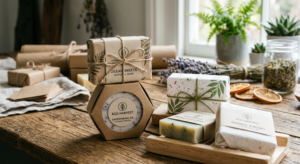
Kraft paper is prized for its natural, rustic appearance and eco-friendly properties. Brands focused on sustainability, organic products, or artisanal items often choose Kraft paper to reflect their values.
Ideal for: Organic food items, handmade products, boutique gifts, and eco-conscious brands.
Benefits:
- Biodegradable and recyclable
- Minimalist aesthetic that appeals to eco-conscious consumers
- Can be paired with custom printing or stamps for a premium look
Tip from The Grand Packaging: Adding a small ribbon or a printed label on a Kraft box can enhance its visual appeal without increasing costs significantly.
3. Corrugated Cardboard
Corrugated cardboard is made of multiple layers, offering strength and protection that surpass standard cardboard. It’s especially valuable for shipping heavy or fragile items.
Ideal for: Electronics, glassware, bulk products, and any items that require extra protection during transit.
Benefits:
- High durability and shock absorption
- Protects products from damage during shipping
- Can be fully customized for branding purposes
Example: E-commerce businesses often choose corrugated boxes for shipping electronics, pairing them with branded inserts to enhance unboxing.
4. Rigid Boxes
Rigid boxes provide a premium feel and are often used for luxury or high-end products. These boxes are sturdy, visually striking, and ideal for creating memorable unboxing experiences.
Ideal for: Jewelry, watches, luxury cosmetics, high-end electronics, and gift items.
Benefits:
- Long-lasting durability
- Supports premium finishes such as foil stamping, embossing, or velvet lining
- Enhances perceived product value
Insight from The Grand Packaging: A rigid box can transform even a small product into a high-value gift, increasing the likelihood of repeat purchases.
5. Plastic and PVC
Plastic packaging offers transparency, flexibility, and lightweight protection. While not as eco-friendly as paper-based options, plastics can be used responsibly with recyclable or biodegradable materials.
Ideal for: Toys, cosmetics, electronics, or display items where visibility of the product matters.
Benefits:
- Allows consumers to see the product without opening the package
- Lightweight and flexible
- Can include tamper-proof designs for added security
Tip: Consider combining plastic with cardboard for a hybrid approach that balances visibility with durability.
Factors to Consider When Choosing Packaging Material
The right material depends on multiple factors beyond aesthetics. At The Grand Packaging, we emphasize evaluating these five key considerations:
1. Product Weight and Size
Heavier products require sturdy materials like corrugated cardboard or rigid boxes, while lightweight items can be safely packaged in cardboard or Kraft paper.
Practical Tip: Conduct tests with actual products to ensure the chosen material can withstand weight and handling.
2. Protection and Durability
Packaging must protect products during shipping, storage, and display. Fragile items need shock-absorbing materials, while durable products may allow for lighter packaging.
Insight: Adding internal dividers, foam inserts, or molded pulp can enhance protection without compromising design.
3. Branding and Aesthetics
The material itself communicates your brand’s values. Premium materials convey luxury, Kraft paper signals sustainability, and transparent plastics highlight product visibility.
Example: A luxury chocolate brand using rigid boxes with gold embossing creates a perception of exclusivity and quality.
4. Sustainability and Eco-Friendliness
Consumer demand for sustainable packaging is growing. Biodegradable, recyclable, and reusable materials help reduce environmental impact and align your brand with eco-conscious values.
Tip from The Grand Packaging: Highlight eco-friendly packaging in your marketing—it resonates with environmentally aware consumers.
5. Cost and Budget
Premium materials may elevate a product’s appeal but increase costs. It’s essential to balance quality, aesthetics, and affordability.
Advice: Consider the long-term ROI. Premium packaging may boost perceived value and repeat purchases, making the extra cost worthwhile.
Matching Material with Product Type
Different products have different requirements. Here’s a practical guide from The Grand Packaging:
- Fragile Items: Corrugated cardboard with foam or molded inserts provides maximum protection.
- Luxury Products: Rigid boxes with premium finishes enhance unboxing experiences.
- Food Items: Food-safe cardboard or Kraft boxes maintain freshness and safety.
- Electronics: Sturdy boxes with anti-static or cushioning properties ensure protection.
Choosing the right material ensures your product reaches customers intact while creating a positive brand impression.
Common Mistakes to Avoid
Even experienced brands sometimes make errors when selecting packaging materials. Avoid these pitfalls:
- Choosing purely on price: Low-cost materials may compromise product safety or brand image.
- Ignoring shipping conditions: Materials must withstand handling and transit.
- Overlooking sustainability: Consumers prefer brands that care about the environment.
- Neglecting brand consistency: Packaging should align with your overall brand identity.
By avoiding these mistakes, businesses can maintain product quality, customer satisfaction, and brand loyalty.
Expert Tips for Selecting the Right Material
Here are practical, actionable tips from The Grand Packaging’s experts:
- Test materials in real conditions: Conduct stress tests with products before bulk production.
- Consult packaging suppliers: Experienced suppliers can advise on material, design, and cost optimization.
- Factor in printing and finishing: Some materials hold ink and textures better than others, affecting brand presentation.
- Consider unboxing experience: High-quality materials leave a lasting impression and encourage repeat purchases.
- Combine materials for better results: Hybrid designs can merge durability with premium aesthetics, like cardboard with an outer velvet or foil layer.
Pro Tip: Use sustainable materials without compromising style. For example, recycled rigid boxes can maintain luxury appeal while supporting eco-friendly initiatives.
The Impact of Material Choice on Brand Perception
The packaging material directly affects how customers perceive your brand:
- Luxury Perception: Rigid boxes and textured finishes convey exclusivity.
- Eco-Friendly Values: Kraft paper and recycled materials communicate sustainability.
- Modern Appeal: Minimalist and transparent designs indicate innovation and contemporary style.
At The Grand Packaging, we emphasize that thoughtful packaging transforms ordinary products into memorable brand experiences, influencing customer loyalty and satisfaction.
Advanced Packaging Strategies
1. Customization Options
Materials affect the type of customization possible. Printing techniques, embossing, foil stamping, and textures vary in compatibility depending on the material.
Example: Corrugated cardboard is excellent for logos and patterns, while Kraft paper pairs well with minimalist designs.
2. Cost-Effective Branding
Even budget-conscious businesses can enhance brand perception with smart material choices. Simple touches like custom labels or small print designs on Kraft boxes can elevate packaging without significant cost.
3. Seasonal and Limited Edition Packaging
Special materials can enhance the appeal of seasonal or limited edition products. For instance, metallic rigid boxes or textured paper for holiday products create a premium feel and encourage gift purchases.
Conclusion
Choosing the right material for your product boxes, including specialized packaging like serum boxes, is a strategic decision that impacts durability, aesthetics, sustainability, and brand perception. By evaluating product type, protection needs, sustainability goals, and budget, businesses can select packaging materials that safeguard their products while creating a memorable brand experience.
At The Grand Packaging, we understand that even delicate items such as serums require careful material selection. Thoughtful packaging not only ensures products arrive safely but also strengthens customer loyalty, enhances perceived value, and supports long-term growth.
The right material for your serum boxes and other product Boxes is more than a choice—it’s a statement about your brand, values, and commitment to quality.
FAQs
1. What is the most durable material for product boxes?
Corrugated cardboard and rigid boxes provide exceptional durability, ideal for fragile or heavy items.
2. Which material is best for eco-friendly packaging?
Kraft paper and recycled cardboard are sustainable, recyclable, and biodegradable choices.
3. How can packaging material affect brand perception?
Premium materials communicate luxury, while eco-friendly options reflect a brand’s sustainability values.
4. Are rigid boxes worth the extra cost?
Yes. They enhance the unboxing experience, elevate product perception, and encourage repeat purchases.
5. Can I combine materials for better protection and design?
Absolutely. For example, a corrugated box with a premium outer layer or printed finish combines durability with visual appeal.
6. How does packaging material affect shipping costs?
Heavier or bulkier materials can increase shipping costs. Selecting the right balance between protection and weight is key.
7. What role does unboxing experience play in material selection?
Premium materials enhance unboxing, leaving a lasting impression on customers and reinforcing brand loyalty.