In today’s competitive market, packaging is no longer just a protective layer for products. It has evolved into a crucial element of the customer experience. Smart packaging, which combines technology, functional design, and aesthetic appeal, is redefining how consumers interact with products. From providing real-time information to creating an emotional connection with the brand, innovative packaging can significantly improve user experience.
Consumers now expect more than just a box or bottle—they want convenience, interactivity, and sustainability. Brands that embrace smart packaging gain a clear advantage by not only protecting their products but also engaging and delighting their audience in meaningful ways.
At The Grand Packaging, we specialize in designing smart, functional, and visually appealing packaging that enhances user satisfaction and strengthens brand loyalty.
The Evolution of Packaging
Packaging has come a long way from simple wrapping and basic boxes. Traditionally, packaging primarily focused on product protection during transport and storage. While it still plays a critical role in ensuring product safety, modern consumers demand much more.
Smart packaging has emerged in response to these evolving expectations. By combining technology, design, and functionality, it transforms ordinary packaging into a dynamic component of the product experience. Industries such as food and beverage, cosmetics, and electronics are leading the way, integrating features that inform, interact, and delight users.
For example, luxury cosmetic brands now include refillable, modular packaging that not only reduces waste but also allows users to customize their products. Similarly, in the food industry, freshness indicators and QR codes provide instant information, enhancing trust and usability.
The evolution of packaging shows a clear trend: consumers value experiences as much as the products themselves. Brands that ignore this shift risk falling behind, while those that invest in smart packaging can differentiate themselves in highly competitive markets.
Key Elements of Smart Packaging
Smart packaging improves user experience by combining several design and technology elements. Understanding these elements is essential for creating packaging that resonates with users.
Interactive Features
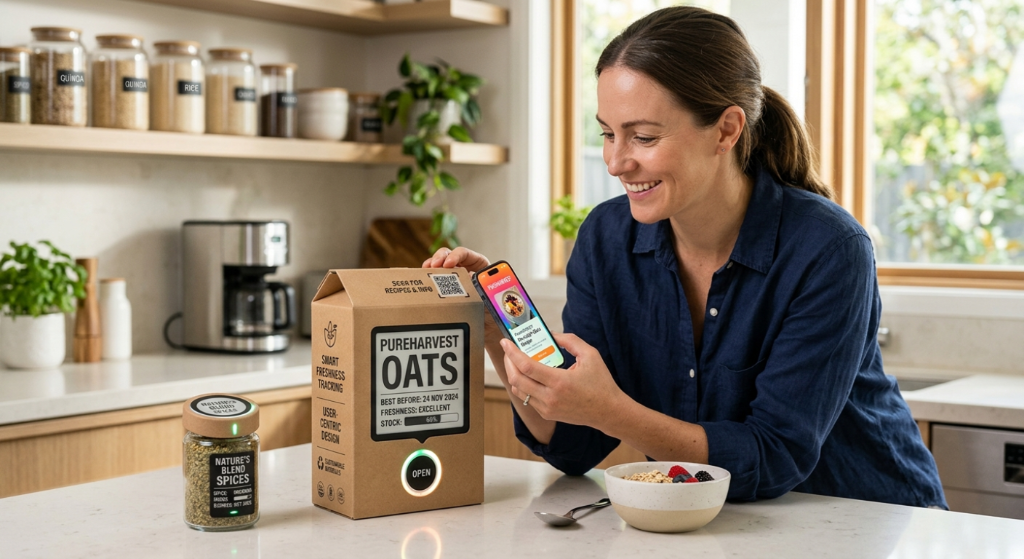
One of the most noticeable trends in smart packaging is interactivity. QR codes, augmented reality (AR), and near-field communication (NFC) tags are increasingly used to provide additional value. Consumers can scan a QR code to access recipes, instructional videos, or detailed product information, making the unboxing experience informative and engaging.
For instance, some beverage brands now include QR codes on bottles that link to mixology tutorials or loyalty programs. This creates a deeper connection with the consumer while adding functional value.
Functional Design
Functionality is a core aspect of smart packaging. Packaging that is easy to open, resealable, or ergonomically designed enhances usability. Spout bottles, twist-top lids, and pull tabs improve accessibility, making daily use effortless. A well-designed package reduces frustration and encourages repeat purchases.
At The Grand Packaging, we prioritize functional innovation, ensuring that your products are as convenient to use as they are visually appealing.
Aesthetic Appeal
Visual and tactile design matters as much as functionality. Thoughtful typography, unique textures, and carefully chosen color schemes contribute to the overall perception of quality. Packaging that tells a story through design can create a lasting impression, strengthening brand loyalty.
Premium chocolate boxes, for instance, often combine embossed lettering with textured finishes to deliver a sensory experience that extends beyond taste.
Sustainability Factor
Modern consumers are environmentally conscious. Smart packaging increasingly incorporates biodegradable materials, recyclable components, and minimalistic designs to reduce waste. Brands that balance innovation with environmental responsibility appeal to eco-conscious buyers and establish credibility.
Sustainable solutions, such as plant-based plastics or reusable packaging, can also become selling points. At The Grand Packaging, we integrate eco-friendly solutions into smart packaging without compromising design or functionality.
How Smart Packaging Improves User Experience
Smart packaging is more than just a visually appealing container—it directly impacts how users perceive and interact with the product.
Enhances Convenience
Features like resealable pouches, pull tabs, and modular packaging make everyday use smoother. Snack packaging that is easy to reseal keeps the product fresh and reduces mess, improving overall satisfaction.
Creates Emotional Connection
Packaging that feels premium or offers a personalized touch can forge an emotional bond with consumers. Custom messages, tactile textures, or interactive elements like AR can make unboxing memorable, encouraging brand loyalty.
For example, luxury perfume brands often include beautifully designed boxes with magnetic closures, making the unboxing an event in itself.
Provides Real-Time Information
Smart packaging can communicate essential information instantly. Food products may include freshness indicators, while electronics may feature interactive guides for setup. This transparency fosters trust and helps users make informed choices.
Encourages Engagement
Brands can integrate gamification or digital experiences into packaging. QR codes leading to loyalty programs, social media challenges, or product tutorials enhance engagement and extend the user experience beyond the physical product.
Innovative Examples of Smart Packaging
Several industries provide excellent examples of smart packaging in action:
Food & Beverage
Some packaged foods now feature freshness sensors or QR codes linking to nutritional information. Beverage companies have even implemented color-changing labels that indicate the optimal temperature for consumption, ensuring the product is enjoyed at its best.
Cosmetics
Luxury cosmetic brands offer refillable and modular packaging. Customers can mix and match products while reducing waste. Some brands even include AR apps that simulate makeup looks, helping users make purchase decisions before opening the package.
Electronics
Electronic devices increasingly come in packaging that protects the product while providing intuitive setup instructions. AR guides can help users assemble components, while NFC-enabled packaging ensures quick registration or warranty activation.
Fashion & Accessories
Some high-end fashion brands now use interactive packaging that allows customers to access care tips or styling videos by scanning a code on the box. This creates an immersive and informative experience while reinforcing brand identity.
These examples highlight how packaging that integrates design, technology, and functionality can transform an ordinary product into a memorable experience.
Design Principles for Effective Smart Packaging
To maximize user satisfaction, smart packaging must follow key design principles:
User-Centered Approach
Packaging should prioritize the needs of the consumer. Conducting user testing and gathering feedback ensures the design is intuitive, convenient, and meets expectations.
Clear Communication
Labels, instructions, and visual cues should convey information quickly and effectively. Minimal text combined with clear icons or graphics can guide the user without overwhelming them.
Seamless Technology Integration
While interactive features are valuable, they should not complicate usage. QR codes, NFC chips, or AR elements must be easy to access and provide tangible benefits.
Balance Cost, Sustainability, and Innovation
Innovative designs must remain affordable and environmentally responsible. Brands that prioritize eco-friendly materials and multifunctional design elements appeal to a wider audience while maintaining profitability.
At The Grand Packaging, we emphasize this balance, creating packaging solutions that are as practical as they are engaging.
Challenges and Considerations
Despite its benefits, smart packaging comes with challenges:
Cost Implications
Integrating technology and high-quality materials can increase production costs. Brands need to evaluate ROI and ensure that the packaging enhances perceived value.
Environmental Responsibility
Some smart packaging relies on electronic components or complex materials that are difficult to recycle. Designing with sustainability in mind is crucial to avoid negative environmental impact.
Simplicity vs. Complexity
Too many features can confuse users. The key is to balance innovation with ease of use, ensuring technology complements rather than complicates the experience.
Security and Privacy
Interactive packaging, especially those connected to apps or websites, must safeguard user data. Transparency in data usage builds trust with consumers.
Consistency Across Channels
Smart packaging should maintain consistent messaging and design across both physical and digital platforms. Inconsistent experiences can undermine trust and brand perception.
Future Trends in Smart Packaging
The future of smart packaging is promising and increasingly user-centric:
AI-Driven Personalization
Artificial intelligence will enable packaging that adapts to individual preferences, offering personalized instructions, content, or promotions.
AR and VR Integration
Augmented and virtual reality will continue to enhance the unboxing experience. Users may preview products or interact with packaging digitally, providing immersive engagement.
Biodegradable and Multifunctional Materials
Sustainable solutions will dominate, with packaging materials designed to serve multiple purposes, from storage to plantable components.
Predictive Analytics
Connected packaging will allow brands to analyze usage patterns, manage inventory, and optimize supply chains while providing consumers with more tailored experiences.
Smart Labels for Health and Safety
In industries like food and pharmaceuticals, smart labels will alert users about expiration dates, storage conditions, or potential allergens, ensuring safety and peace of mind.
At The Grand Packaging, we are already exploring these innovations, designing packaging solutions that keep brands ahead of the curve.
Real-World Case Studies
Case Study 1: Beverage Industry
A leading beverage brand integrated color-changing labels to indicate optimal drinking temperature. This feature increased user engagement and social media sharing, demonstrating the value of interactive packaging.
Case Study 2: Luxury Cosmetics
A cosmetic company introduced refillable modular boxes with AR makeup tutorials. Not only did this reduce waste, but it also strengthened brand loyalty and enhanced the unboxing experience.
Case Study 3: Electronics
An electronics manufacturer implemented NFC-enabled packaging for device registration and warranty activation. This eliminated confusing manuals and improved customer satisfaction, showing the practical benefits of smart packaging.
Conclusion
Smart packaging is no longer a novelty—it’s a necessity for brands aiming to improve user experience, build trust, and stand out in competitive markets. By combining functionality, aesthetics, technology, and sustainability, packaging can transform an ordinary product into a memorable experience that delights consumers at every touchpoint.
At The Grand Packaging, we understand that packaging is more than a container—it’s an opportunity to engage, educate, and inspire your audience. Investing in intelligent, user-centered packaging ensures your brand remains relevant, innovative, and trusted.
FAQs
What is smart packaging?
Smart packaging integrates technology, design, and functionality to enhance product interaction and improve user experience.
How does smart packaging improve user experience?
It offers convenience, interactivity, information, and emotional engagement, creating memorable experiences.
Is smart packaging expensive?
Costs vary depending on materials and technology, but benefits in brand loyalty, engagement, and perception often outweigh expenses.
Can smart packaging be eco-friendly?
Yes. Many brands now use biodegradable, recyclable, or reusable materials in smart packaging designs.
Which industries benefit most from smart packaging?
Food and beverage, cosmetics, electronics, and luxury goods industries see significant improvements in consumer satisfaction through smart packaging.
How can brands implement smart packaging effectively?
Start by focusing on the user experience, integrating technology thoughtfully, and maintaining sustainability and brand consistency.