
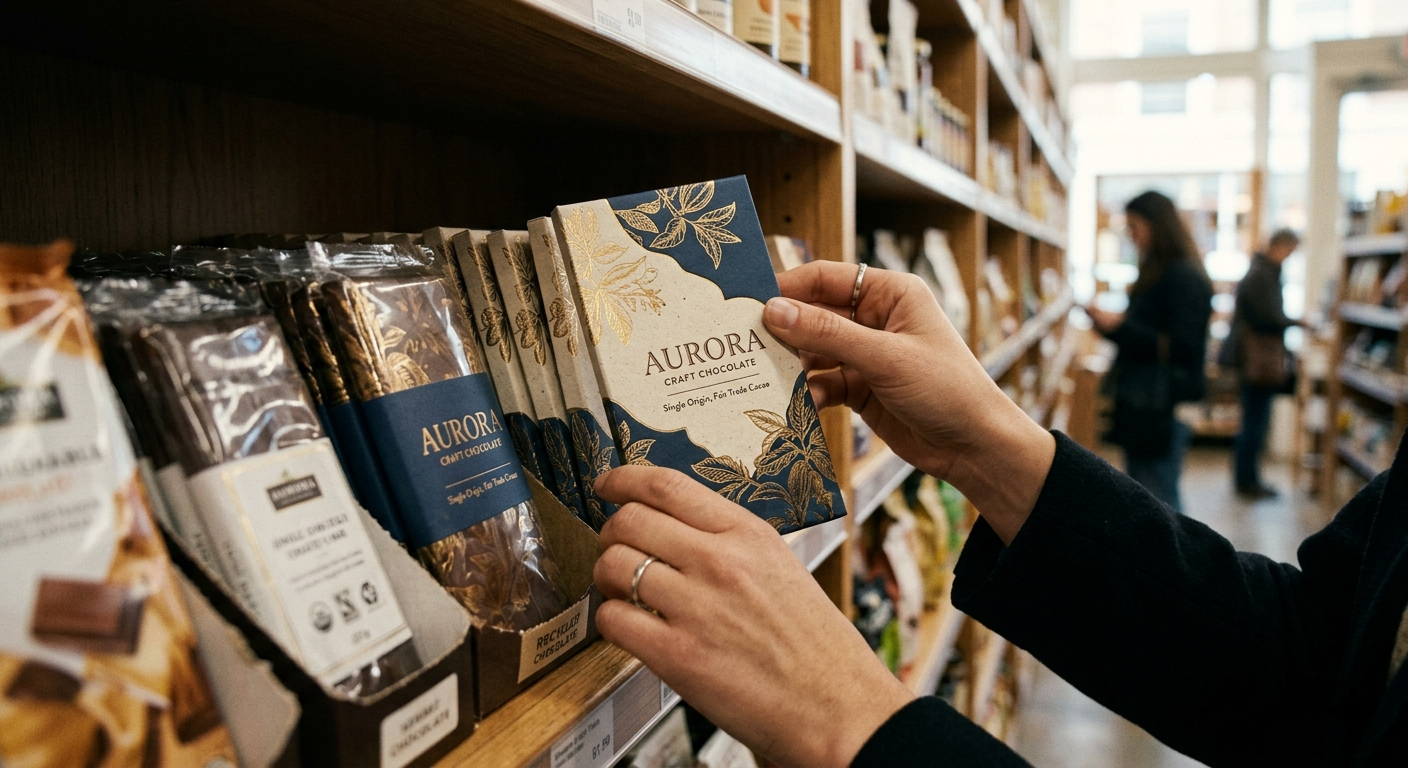
Many chocolate brands invest heavily in perfecting recipes, sourcing premium ingredients, and refining flavors. While product quality is undoubtedly important, it is often not the first thing customers notice. Before consumers taste a piece of chocolate, they evaluate its packaging. In many cases, the packaging determines whether the product is picked up, explored, or purchased at all.
Research consistently shows that consumers form impressions about products within seconds of seeing them. In both retail stores and online marketplaces, visual presentation significantly influences purchasing decisions. Attractive packaging can elevate perceived quality, justify premium pricing, and create emotional connections with customers long before the first bite.
For chocolate brands competing in crowded markets, packaging serves as much more than a protective covering. It acts as a marketing tool, a brand ambassador, and a powerful driver of consumer behavior. This article explores the psychology, branding impact, sales influence, functional benefits, and sustainability considerations that make chocolate packaging a critical factor in business success.
The Psychology Behind Chocolate Packaging and First Impressions
Consumers often make purchasing decisions based on appearance before evaluating the actual product. Chocolate packaging plays a major role in shaping these initial perceptions.
How Packaging Shapes Consumer Perception
Packaging creates expectations about the quality and value of a chocolate product. Visual cues such as materials, printing quality, structure, and finishing techniques communicate whether a product is premium, artisanal, or budget-friendly.
Consumers naturally associate well-designed packaging with superior quality. Features such as embossed logos, elegant typography, and high-quality materials build trust and confidence in the brand. Conversely, poorly designed packaging may create doubts about the product inside, regardless of its actual quality.
The Science of Color Psychology in Confectionery Packaging
Color plays a significant role in purchase psychology and visual branding.
- Gold often represents luxury, prestige, and exclusivity.
- Black conveys sophistication and premium perception.
- Brown creates associations with cocoa, authenticity, and richness.
- Red stimulates excitement, appetite, and impulse purchases.
- Pastel colors evoke softness, creativity, and gift-giving appeal.
These emotional triggers influence consumer behavior and help brands position their products effectively within specific market segments.
Why Customers Judge the Chocolate Before Tasting It
Consumers frequently use packaging as a quality indicator. Attractive packaging suggests freshness, craftsmanship, and attention to detail. Since customers cannot sample every chocolate product before purchasing, packaging serves as a substitute for direct product evaluation.
A thoughtfully designed package reassures buyers that the chocolate inside meets their expectations for taste, quality, and value.
Chocolate Packaging as a Silent Brand Ambassador
When customers encounter a chocolate product on a shelf or online, there is usually no salesperson available to explain the brand story. Packaging fills that role.
Creating a Memorable Brand Identity Through Packaging
Effective packaging design reinforces brand positioning through:
- Strategic logo placement
- Consistent typography
- Distinctive color palettes
- Cohesive visual identity systems
These elements work together to create a recognizable brand presence that consumers can easily remember and identify.
Storytelling Elements That Build Emotional Connections
Modern consumers increasingly seek products that align with their values and lifestyles. Packaging offers an opportunity to tell compelling stories about:
- Brand heritage
- Artisan craftsmanship
- Ethical sourcing practices
- Local production methods
- Sustainability commitments
These narratives help establish emotional connections that go beyond product features.
Packaging Design and Long-Term Brand Recognition
Strong packaging design improves shelf recall and contributes to long-term customer loyalty. Consistent visual language enables consumers to quickly recognize products during future shopping trips, encouraging repeat purchases and strengthening trust over time.
How Packaging Influences Chocolate Sales and Purchasing Decisions
Packaging directly affects sales conversion by influencing attention, perceived value, and purchase intent.
Shelf Impact in Competitive Retail Environments
Retail shelves are crowded with competing products. Effective packaging helps chocolates stand out through:
- Distinctive colors
- Unique structural designs
- Premium finishes
- Eye-catching graphics
Products that attract attention are more likely to be examined and ultimately purchased.
The Role of Packaging in Premium Pricing Strategies
Luxury chocolate brands often rely on packaging to justify higher price points. Premium materials, elegant presentation, and sophisticated design communicate exclusivity and quality.
Customers are often willing to pay more for products that appear luxurious, even before evaluating the chocolate itself.
Unboxing Experiences and Their Impact on Customer Satisfaction
Packaging extends beyond the point of purchase. An engaging unboxing experience can increase customer satisfaction and brand engagement.
Gift-worthy packaging encourages:
- Social media sharing
- Positive reviews
- Word-of-mouth marketing
- Increased customer retention
A memorable packaging experience enhances the overall perception of the brand.
Product Protection: The Functional Side of Chocolate Packaging
While visual appeal is essential, packaging must also perform practical functions that preserve product quality.
Preserving Freshness, Flavor, and Texture
Chocolate is highly sensitive to environmental conditions. Proper packaging protects against:
- Moisture exposure
- Oxygen contamination
- Light damage
- Temperature fluctuations
These protective features help maintain freshness and extend shelf life.
Preventing Damage During Storage and Transportation
Chocolate products can be fragile. Effective structural packaging minimizes the risk of:
- Cracking
- Melting
- Compression damage
- Product breakage
Durable packaging solutions ensure products arrive in optimal condition throughout the supply chain.
Food Safety and Regulatory Compliance
Food-grade packaging materials help maintain product integrity while meeting industry regulations.
Essential packaging requirements often include:
- Ingredient information
- Allergen disclosures
- Nutritional labeling
- Expiration dates
- Storage instructions
Compliance strengthens consumer trust and protects brand reputation.
The Growing Demand for Sustainable Chocolate Packaging
Environmental concerns are transforming consumer expectations across the food industry.
Why Eco-Conscious Consumers Care About Packaging
Today’s consumers increasingly consider sustainability when making purchasing decisions. Many actively seek brands that demonstrate environmental responsibility through eco-friendly packaging solutions.
Sustainable packaging can positively influence buying behavior and strengthen brand loyalty.
Popular Sustainable Materials Used in Chocolate Packaging
Common environmentally friendly packaging options include:
- Recyclable paperboard
- Compostable materials
- Biodegradable films
- Reusable containers
- FSC-certified paper products
These materials help reduce environmental impact while maintaining product protection.
Balancing Sustainability with Premium Presentation
Modern packaging innovations make it possible to combine luxury packaging with sustainable materials. Brands can achieve premium presentation without compromising environmental goals.
Although sustainable solutions may involve higher upfront costs, they often deliver long-term value through improved brand perception and customer loyalty.
The Role of Packaging in E-Commerce Chocolate Sales
For online chocolate brands, packaging often serves as the first physical interaction customers have with the company.
Packaging as the First Physical Brand Interaction
Unlike retail environments, online shoppers cannot touch or inspect products before purchase. Packaging becomes the primary opportunity to exceed customer expectations once the product arrives.
A positive first impression can significantly impact customer satisfaction.
Reducing Returns Through Better Packaging Design
Well-designed eCommerce packaging protects products during shipping and reduces the likelihood of damage-related complaints.
Effective packaging contributes to:
- Lower return rates
- Higher customer satisfaction
- Improved product reviews
- Increased repeat purchases
Creating Shareable Moments for Social Media Audiences
Social media platforms have amplified the importance of packaging design. Visually appealing packaging encourages customers to share their purchases online.
Instagram-worthy packaging can generate:
- User-generated content
- Organic brand exposure
- Increased social engagement
- Greater brand awareness
Common Chocolate Packaging Mistakes Brands Should Avoid
Even well-intentioned packaging strategies can fail when critical mistakes are overlooked.
Prioritizing Design Over Functionality
Beautiful packaging that fails to protect the product can damage customer trust and lead to negative experiences.
Ignoring Consumer Preferences and Market Trends
Packaging should evolve alongside consumer expectations. Brands that fail to adapt may lose relevance in changing markets.
Using Low-Quality Materials That Damage Brand Perception
Inferior packaging materials can create a negative impression and reduce perceived product value.
Overcomplicating Packaging Designs
Complex packaging can frustrate customers and reduce usability. Simplicity, clarity, and convenience often improve the customer experience.
What Makes High-Performing Chocolate Packaging Successful?
Successful chocolate packaging combines aesthetics, functionality, and strategic branding.
Strong Visual Appeal
Effective packaging captures attention and communicates quality immediately.
Functional Protection
Products must remain fresh, safe, and intact throughout their lifecycle.
Sustainable Material Choices
Environmentally responsible packaging aligns with modern consumer values and supports sustainable branding initiatives.
Consistent Brand Messaging
Every packaging element should reinforce the brand’s identity and positioning.
Exceptional Customer Experience
From shelf appeal to unboxing, every interaction should enhance customer satisfaction and strengthen brand value.
Conclusion
Chocolate Boxes is far more than a decorative wrapper. It shapes first impressions, influences consumer behavior, communicates brand values, protects product quality, and drives purchasing decisions. In many cases, customers buy the packaging before they buy the chocolate.
Strategic packaging helps brands differentiate themselves in competitive markets, support premium pricing strategies, improve customer experiences, and meet growing sustainability expectations. Whether sold in retail stores or through eCommerce channels, effective packaging contributes directly to brand growth and profitability.
If your business is evaluating its chocolate packaging strategy, now is the time to view packaging as an investment rather than an expense. The right packaging can transform perception, increase sales, strengthen customer loyalty, and ensure your chocolate stands out in an increasingly competitive marketplace.


