In today’s competitive marketplace, packaging is more than just a container it’s a powerful marketing tool that shapes how customers perceive a product. Before consumers even interact with a product, its packaging creates the first impression. A visually appealing, thoughtfully designed package can instantly attract attention, communicate brand values, and influence purchasing decisions.
Modern brands use packaging not only for protection and transportation but also to create memorable experiences. From eco-friendly materials to interactive designs, innovative packaging helps products stand out on crowded shelves while reinforcing brand identity.
As consumer expectations evolve, companies that invest in creative packaging strategies often gain a significant advantage. Unique packaging can enhance product presentation, improve brand recognition, and encourage customers to choose one product over another.
What Are Innovative Packaging Ideas?
Innovative packaging ideas refer to creative and functional packaging designs that enhance product visibility, improve customer experience, and communicate brand identity. These packaging solutions often combine aesthetic appeal, sustainability, and practical usability to make products more memorable and engaging for consumers.
Innovative packaging typically focuses on:
- distinctive visual design
- user-friendly functionality
- sustainable materials
- interactive elements
- memorable unboxing experiences
When brands successfully combine these elements, packaging becomes an extension of the product itself rather than just a protective layer.
Key Elements That Make Packaging Stand Out on the Shelf
Not all packaging is equally effective. The most successful designs combine creativity with strategy to capture attention and build trust.
Unique Structural Design
Packaging structure plays a major role in how a product is perceived. Unusual shapes, creative folds, and layered openings can create curiosity and encourage customers to explore the product further.
Examples include:
- geometric box designs
- slide-open packaging
- magnetic closures for premium products
These structural elements make packaging more memorable and improve the overall user experience.
Bold Visual Branding
Visual design is one of the strongest factors influencing purchasing decisions. Colors, typography, and graphics work together to create an immediate emotional response.
Strong packaging design typically includes:
- clear brand logo placement
- visually balanced typography
- colors that reflect brand personality
Well-designed visuals not only increase shelf visibility but also strengthen brand recall.
Smart Material Choices
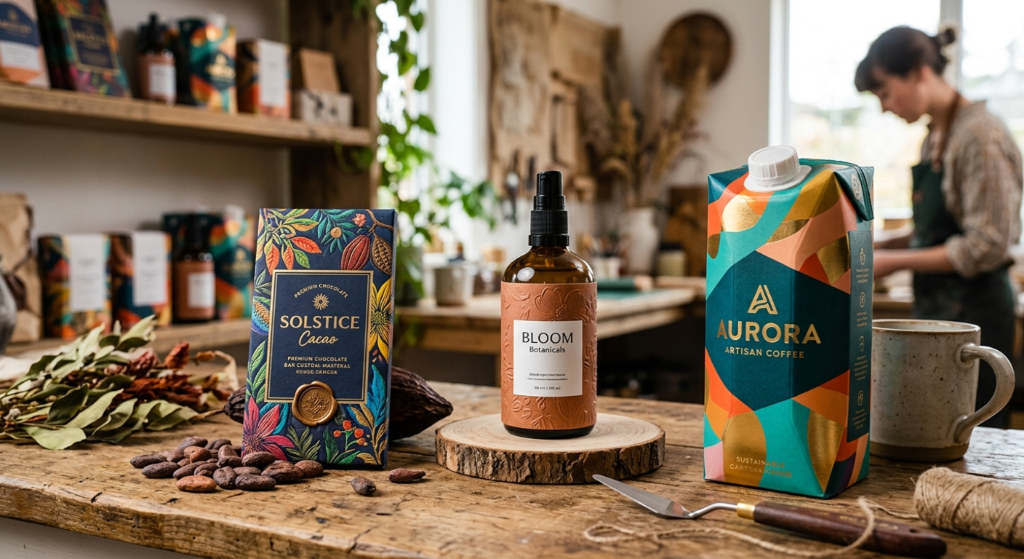
Material selection affects both product protection and brand perception. High-quality materials can instantly elevate a product’s perceived value.
Common innovative material choices include:
- textured paperboard
- biodegradable plastics
- recycled packaging materials
- transparent windows that showcase the product
Consumers increasingly appreciate brands that prioritize sustainable and environmentally responsible materials.
Emotional Brand Storytelling
Great packaging tells a story. Whether through design elements, messaging, or imagery, packaging can communicate the values and mission behind a brand.
Story-driven packaging may highlight:
- sustainability commitments
- brand heritage
- product craftsmanship
- social impact initiatives
When customers feel connected to a brand story, they are more likely to remember and trust the product.
10 Innovative Packaging Ideas That Capture Customer Attention
Creative packaging can dramatically improve product appeal and brand differentiation. Below are ten innovative packaging approaches used by modern brands.
1. Eco-Friendly and Sustainable Packaging
Sustainability has become a major driver of packaging innovation. Many brands are adopting environmentally responsible materials to reduce their environmental impact.
Examples include:
- compostable packaging materials
- plant-based packaging
- recyclable cardboard packaging
Eco-friendly packaging not only reduces waste but also strengthens a brand’s reputation among environmentally conscious consumers.
2. Minimalist Packaging Design
Minimalist packaging focuses on simplicity and clarity. Instead of overcrowded designs, minimalist packaging uses clean layouts, neutral colors, and limited text.
Benefits include:
- modern aesthetic appeal
- improved brand sophistication
- easier product recognition
Minimalist designs are particularly popular among premium and lifestyle brands.
3. Reusable Packaging Concepts
Reusable packaging extends the life of a package beyond its initial purpose. Customers can repurpose packaging as storage containers, decorative items, or organizers.
Examples include:
- glass jars used for food products
- reusable cloth bags
- decorative storage boxes
This approach enhances sustainability while increasing long-term brand visibility.
4. Smart Packaging with QR Codes
Smart packaging integrates digital technology to enhance customer interaction. QR codes allow customers to access additional content directly from the packaging.
This may include:
- product usage guides
- brand stories
- sustainability information
- exclusive promotions
Interactive packaging bridges the gap between physical products and digital experiences.
5. Transparent Packaging Windows
Transparency builds trust. Packaging with clear windows allows customers to see the product before purchasing it.
This approach is commonly used in industries such as:
- food and beverages
- cosmetics
- organic products
Visible product quality reassures customers and reduces hesitation during the buying process.
6. Limited-Edition Packaging
Limited-edition packaging creates excitement and urgency. Seasonal packaging, special collaborations, or event-based designs encourage customers to purchase before the product disappears.
This strategy is frequently used for:
- holiday collections
- product launches
- brand anniversaries
Collectible packaging also encourages repeat purchases.
7. Personalized Packaging Experiences
Personalized packaging makes customers feel valued and connected to the brand.
Examples include:
- customer names printed on packaging
- custom messages
- personalized graphics or themes
Personalization helps brands create emotional connections that strengthen customer loyalty.
8. Multi-Layer Unboxing Experiences
The unboxing experience has become an important part of product marketing, especially in the e-commerce space.
Layered packaging designs may include:
- inner wrapping
- surprise inserts
- premium presentation layers
This creates a sense of excitement and encourages customers to share the experience on social media.
9. Functional Packaging Design
Functional packaging focuses on usability and convenience.
Innovations include:
- resealable pouches
- easy-pour containers
- ergonomic packaging shapes
Practical design improvements make products easier to use and enhance customer satisfaction.
10. Bold Color-Driven Packaging
Color plays a major role in grabbing attention on store shelves. Bright, high-contrast colors can make products instantly recognizable.
Effective color-driven packaging often uses:
- bold primary colors
- high contrast designs
- color-coded product variations
Color-based packaging helps consumers quickly identify and remember a brand.
How Innovative Packaging Improves Brand Perception
Innovative packaging directly influences how customers view a product and the brand behind it. Thoughtful packaging design can elevate a product from ordinary to premium.
Key benefits include:
Stronger Brand Recognition
Distinctive packaging makes it easier for customers to identify a brand in stores and online marketplaces.
Enhanced Customer Experience
Interactive and well-designed packaging creates a more enjoyable experience for users.
Increased Perceived Value
High-quality packaging materials and design can make products feel more luxurious.
Greater Social Media Shareability
Unique packaging often encourages customers to share photos and videos, generating organic brand exposure.
The Role of Sustainable Packaging in Modern Innovation
Sustainability has become one of the most influential trends in packaging design. Consumers increasingly prefer brands that prioritize environmental responsibility.
Sustainable packaging strategies include:
- reducing material usage
- switching to recyclable materials
- using biodegradable packaging components
- designing reusable packaging systems
By adopting environmentally friendly packaging solutions, brands can reduce their environmental footprint while meeting consumer expectations.
Packaging Trends Shaping the Future of Product Design
The packaging industry continues to evolve as technology and consumer behavior change.
Smart and Connected Packaging
Future packaging may include embedded sensors or NFC technology that provide real-time information about product freshness, authenticity, or usage.
Augmented Reality Packaging
Some brands are experimenting with augmented reality features that allow customers to interact with packaging through mobile devices.
AI-Driven Packaging Design
Artificial intelligence is increasingly being used to analyze consumer preferences and optimize packaging design for maximum impact.
Zero-Waste Packaging Systems
Innovative zero-waste packaging solutions aim to eliminate unnecessary materials and create fully recyclable or compostable packaging systems.
How to Choose the Right Packaging Idea for Your Product
Selecting the right packaging strategy requires careful consideration of both brand goals and customer expectations.
Key steps include:
Understand Your Target Audience
Different audiences respond to different design styles and packaging features.
Align Packaging with Brand Identity
Packaging should reflect the brand’s personality, values, and positioning.
Consider Practical Functionality
Packaging must protect the product while remaining easy to open, store, and use.
Evaluate Sustainability Impact
Choosing eco-friendly materials can improve brand reputation and meet consumer expectations.
Balance Creativity and Cost
Innovative packaging should enhance the product without significantly increasing production costs.
Common Packaging Mistakes Brands Should Avoid
Even well-intentioned packaging designs can fail if certain factors are overlooked.
Common mistakes include:
- overly complicated packaging that frustrates users
- poor readability or confusing product information
- inconsistent branding across product lines
- excessive packaging materials that create waste
- packaging that compromises product protection
Avoiding these issues helps ensure that packaging supports both functionality and branding goals.
Conclusion
Innovative packaging has become an essential element of modern product strategy. By combining creative design, functional usability, and sustainable materials, brands can create packaging that captures attention and enhances customer experience.
When done effectively, packaging becomes much more than a protective layer—it becomes a storytelling tool, a marketing asset, and a key factor in building long-term brand loyalty.
Businesses that embrace innovative packaging ideas are better positioned to differentiate their products, connect with consumers, and succeed in an increasingly competitive marketplace.
Frequently Asked Questions
What are innovative packaging ideas?
Innovative packaging ideas involve creative design, sustainable materials, and functional features that enhance product presentation and customer experience. These packaging solutions help products stand out while strengthening brand identity.
Why is packaging important for product marketing?
Packaging influences how customers perceive a product before they purchase it. Attractive and well-designed packaging can improve brand recognition, communicate product value, and encourage consumers to choose one product over another.
How does packaging influence buying decisions?
Packaging affects buying decisions through visual appeal, perceived quality, and brand messaging. Eye-catching designs and clear product information can build trust and attract customer attention on crowded shelves.
What are the latest packaging design trends?
Current packaging trends include sustainable materials, minimalist designs, smart packaging technologies, personalized packaging experiences, and interactive features that connect physical packaging with digital content.
What materials are best for sustainable packaging?
Common sustainable packaging materials include recycled paperboard, biodegradable plastics, compostable materials, and plant-based packaging solutions that minimize environmental impact.